

Curtains hold the most transformative power of any window covering. They introduce texture, colour, and dramatic scale to a room. But choosing the right style means deciding between the refined minimalism of a modern look and the luxurious depth of a classic aesthetic.
It all comes down to the details. Here is our guide to defining whether your home—and your windows—should be dressed in contemporary elegance or traditional grandeur.
Curtain Headings: The Defining Feature
The way the fabric gathers at the very top is the clearest indicator of a curtain’s style.
| Style Category | Key Heading Styles | Key Aesthetic | Ideal Setting |
|---|---|---|---|
| Modern & Contemporary | Wave, Eyelet, Back-Tab | Clean, Structured, Minimalist. | Bi-fold doors, new builds, open-plan living, large windows. |
| Classic & Traditional | Triple Pinch Pleat, Goblet, Pencil Pleat | Full, Formal, Decorative. | Period properties, formal dining rooms, bedrooms, bay windows. |
The Modern Look: Wave and Eyelet
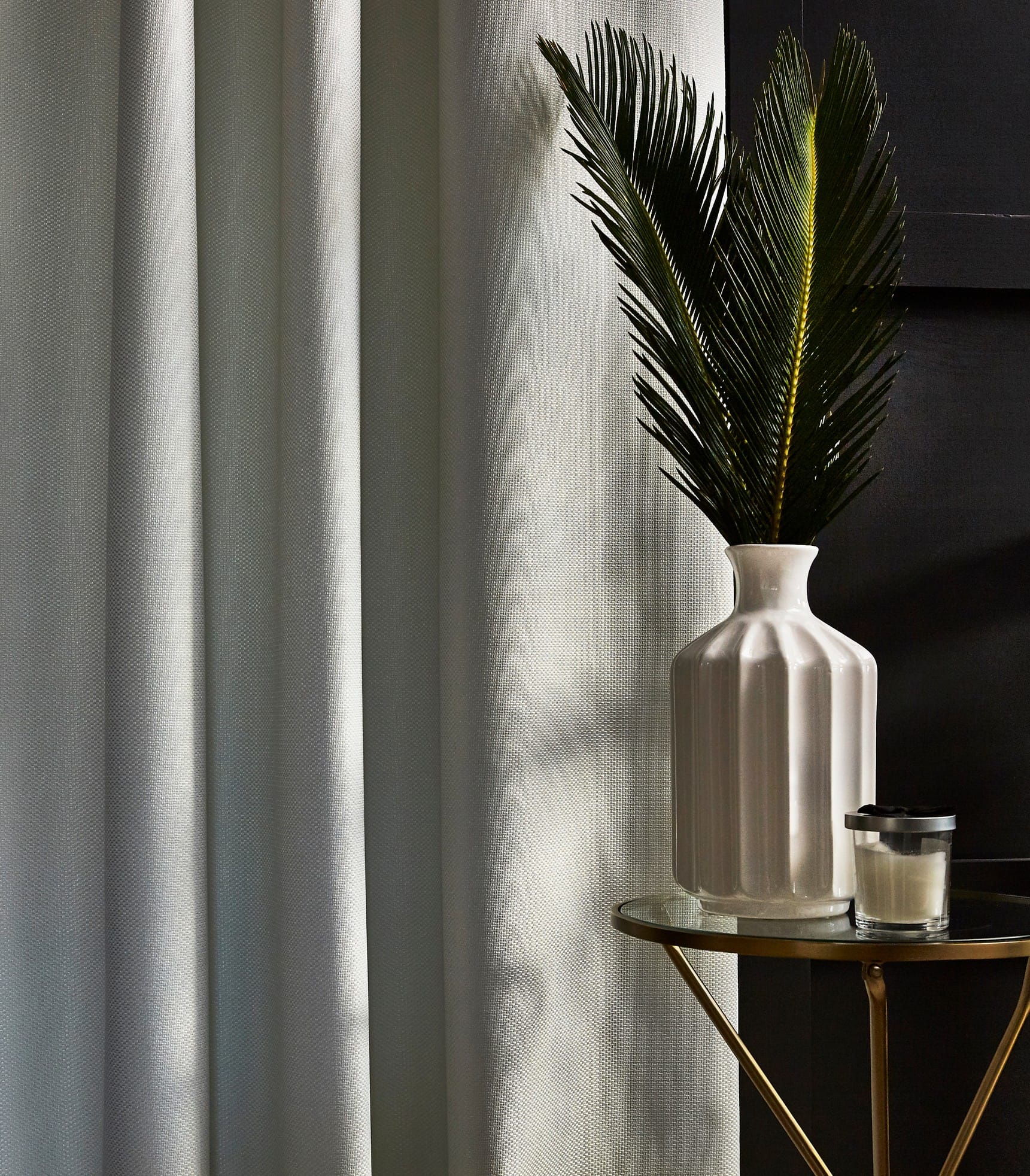
- Wave: Requires a specialised track system, creating soft, uniform, continuous folds from top to bottom. It hangs flat against the wall and offers the slimmest stack-back when open, ensuring maximum natural light.
- Aesthetic: Architectural, precise, and understated.
The Classic Look: Pinch Pleat and Goblet
- Triple Pinch Pleat: Fabric is gathered into permanent, formal pleats (usually three per group). This requires more fabric, resulting in a deeper, luxurious header and a permanent, elegant drape that works beautifully on poles.
- Aesthetic: Tailored, established, and opulent.
Fabric and Colour: Setting the Mood
The fabric’s texture and the colour’s depth fundamentally dictate how the curtain hangs and how the room feels.
| Element | Modern Style | Classic Style |
|---|---|---|
| Fabric | Crisp Linens, Silks (raw/matte), Plain Weaves, Velvets (used minimally). | Brocades, Damasks, Heavy Velvets, Detailed Embroidery, Printed Cotton. |
| Pattern | Geometric, subtle textured weaves, tone-on-tone stripes, plain solids. | Florals, toile, large-scale traditional motifs, highly detailed patterns. |
| Colour | Neutral (White, Grey, Taupe, Linen), Deep (Navy, Charcoal, Forest Green). | Warm (Burgundy, Gold, Terracotta), Rich (Jewel Tones, Earthy patterns). |
Colour Psychology: Making the Room Work
Choosing a colour is about more than matching—it’s about controlling the room’s atmosphere:
- Warmth & Intimacy: Darker, warmer colours (e.g., deep terracotta or navy) absorb light. Use these to make large, airy rooms feel cosier and more intimate.
- Light & Space: Lighter, neutral colours (e.g., crisp white or oatmeal linen) reflect light. Use these to make smaller or north-facing rooms appear larger, brighter, and more spacious.
The Custom Fit is Everything
Whether you choose a sleek Wave track or a majestic Triple Pleat, the impact is lost if the curtains are the wrong length or width. Customisation is the critical bridge between a beautiful idea and a perfect execution.
- The Drop: Curtains must either hover just above the floor (a clean, practical modern finish) or lightly ‘puddle’ on the floor (a classic, romantic, luxurious finish). Anything in between looks cheap.
- The Hardware: Modern styles require specific, subtle tracks; classic styles demand robust, decorative poles that complement the pleats.
Ready to find the perfect style for your windows?
At Curtain Call, our interior designers are experts in creating truly made-to-measure curtains to suit your specific home and style. We handle all the details—from advising on the perfect pleat and fabric weight to ensuring the exact custom dimensions—so your chosen style looks flawless.
Get in touch today to schedule a consultation and let us transform your windows into the architectural statement they deserve to be.