

Choosing new window treatments is a practical and design decision. At Curtain Call, serving Coventry, we focus on helping you find a solution that meets your needs for light control, insulation, and overall room aesthetic.
There is no single “best” option. It all depends on the room’s function and your design goals. Let’s compare the core benefits and drawbacks of curtains and blinds.
Curtains and Drapes (The Fabric)
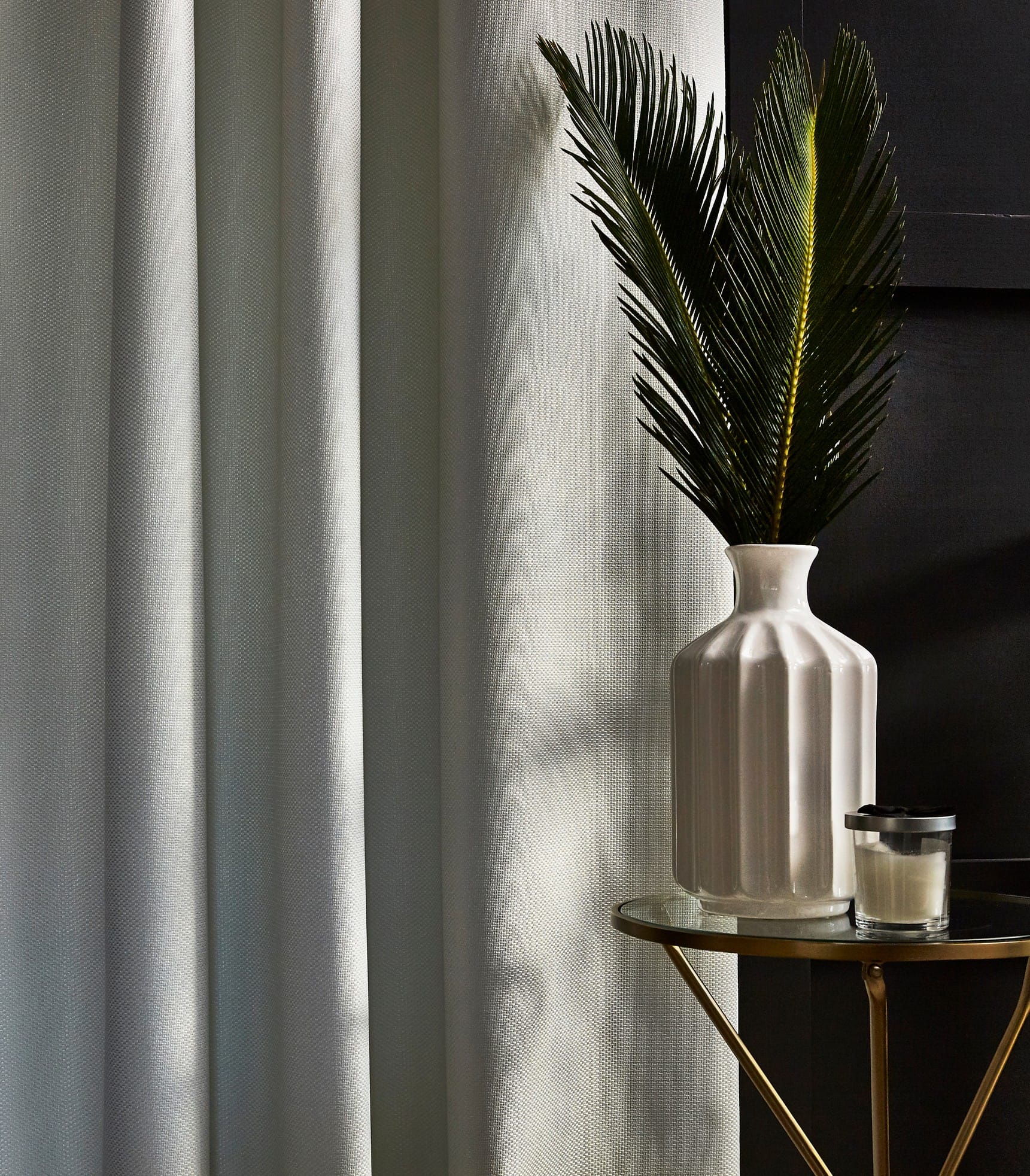
Curtains and drapes offer unmatched flexibility in texture, colour, and pattern, allowing you to heavily influence the room’s mood.
Key Advantages of Curtains
- Aesthetic Impact: Curtains introduce a softness and flow that instantly elevates a space, acting as a primary decorative feature. You can layer fabrics (like a sheer with a heavy drape) for depth.
- Superior Thermal Insulation: When specified with thermal or interlining, heavy curtains are highly effective at reducing heat loss through windows, which is crucial for lowering heating bills during the UK winter.
- Acoustic Dampening: The mass of the fabric helps absorb sound, reducing echo within a room and buffering exterior noise—ideal for homes on busy roads.
Practical Considerations
- Space Requirement: Curtains require more wall space to stack back neatly. In small rooms, this can sometimes make the window feel slightly constrained.
- Cleaning: Curtains and drapes generally require more careful cleaning, often needing professional dry cleaning to maintain the fabric and structure.
Blinds and Shutters (Functionality)
Blinds and shutters are defined by their precise functionality and clean, structured look.
Key Advantages of Blinds
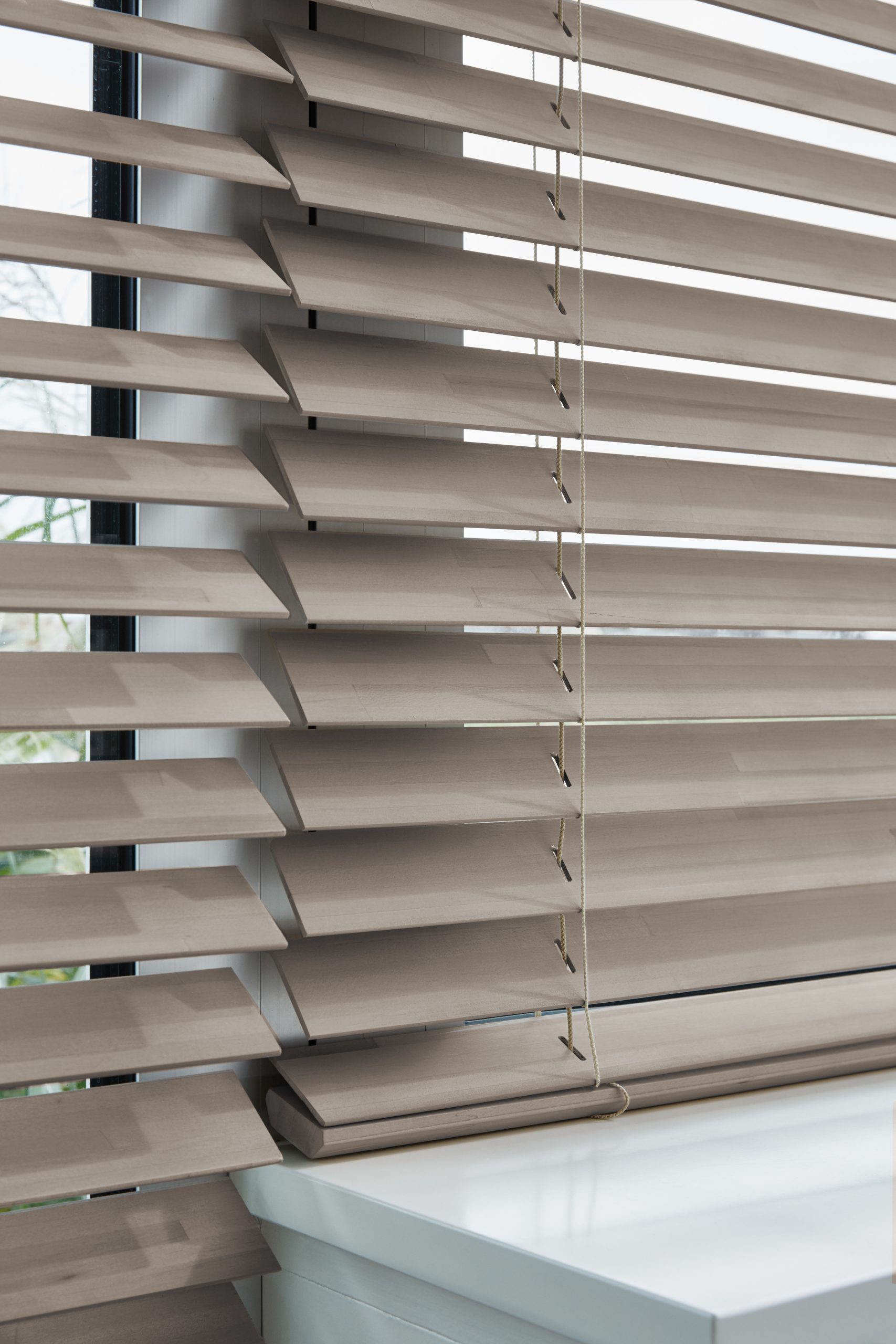
- Refined Light Control: Blinds (especially slatted options like Venetians) allow you to easily tilt the material, offering complete control over light direction and privacy without having to fully raise or lower the covering.
- Low Maintenance: Hard-surface blinds (wood, faux wood, PVC) are easy to clean with a quick dust or wipe, making them the hygienic choice for moisture-prone areas like kitchens and bathrooms.
- Minimal Footprint: Blinds fit tightly within the window recess, making them ideal for small spaces, windows near radiators, or bi-fold doors.
- Safety: The shift toward modern, cordless, and motorised mechanisms eliminates dangling cords, making them inherently safer for children and pets.
Practical Considerations
- Less Sound Absorption: Blinds, particularly hard materials, do not offer the same noise-dampening properties as thick fabric curtains.
- Potential for Dust: Slatted blinds can accumulate dust on their horizontal surfaces and require more frequent cleaning than a simple roller blind.
Finding Your Fit: Room-by-Room Recommendations
When deciding between curtains and blinds, the room’s primary use should drive your choice. Here is our quick reference guide:
| Room Function | Recommended Choice | Rationale |
|---|---|---|
| Living Room | Layered Look (Blinds + Curtains) | Blinds handle privacy and light control; Curtains add softness and style. |
| Bedroom | Curtains (with Blackout Lining) or Blackout Roller Blinds | Prioritise complete darkness and heat retention for sleep comfort. |
| Kitchen/Utility | Faux Wood or PVC Roller Blinds | Resist moisture, are easy to wipe clean, and sit neatly away from work areas. |
| Home Office | Venetian or Vertical Blinds | Allows precise adjustment to eliminate screen glare without plunging the room into darkness. |