


How to Spot a Badly Made Shutter (And Keep Your Investment Pristine)
At Curtain Call, we view shutters not as a temporary window covering, but as a permanent architectural feature of your Coventry home. Unfortunately, not all shutters are created equal. Poorly manufactured or incorrectly installed shutters can quickly warp, sag, and degrade.
Here is our honest guide to spotting the red flags of low-quality materials and simple maintenance tips to ensure your investment lasts for decades.
Quality Check: The Red Flags of Badly Made Shutters
When selecting or inspecting shutters, focus on the details that speak to long-term durability, not just the initial price tag.
The Warping and Peeling Problem
- Cheap Materials: Low-grade wood or hollow PVC is the leading cause of warping. If your shutter material is too light, it may not withstand temperature and humidity shifts typical of the UK climate.
- The Finish: Look for peeling paint or cracking polyurethane. Badly finished shutters lack the necessary protection against UV light, leading to premature fading and structural issues. Faux wood (PVC) should be dense and resistant to moisture absorption.
Poor Fit and Functionality
- Visible Gaps: A quality shutter should fit your window opening perfectly. Large, inconsistent gaps around the frame or between the panels are a sign of poor measurement, lazy installation, or a frame that is not structurally square.
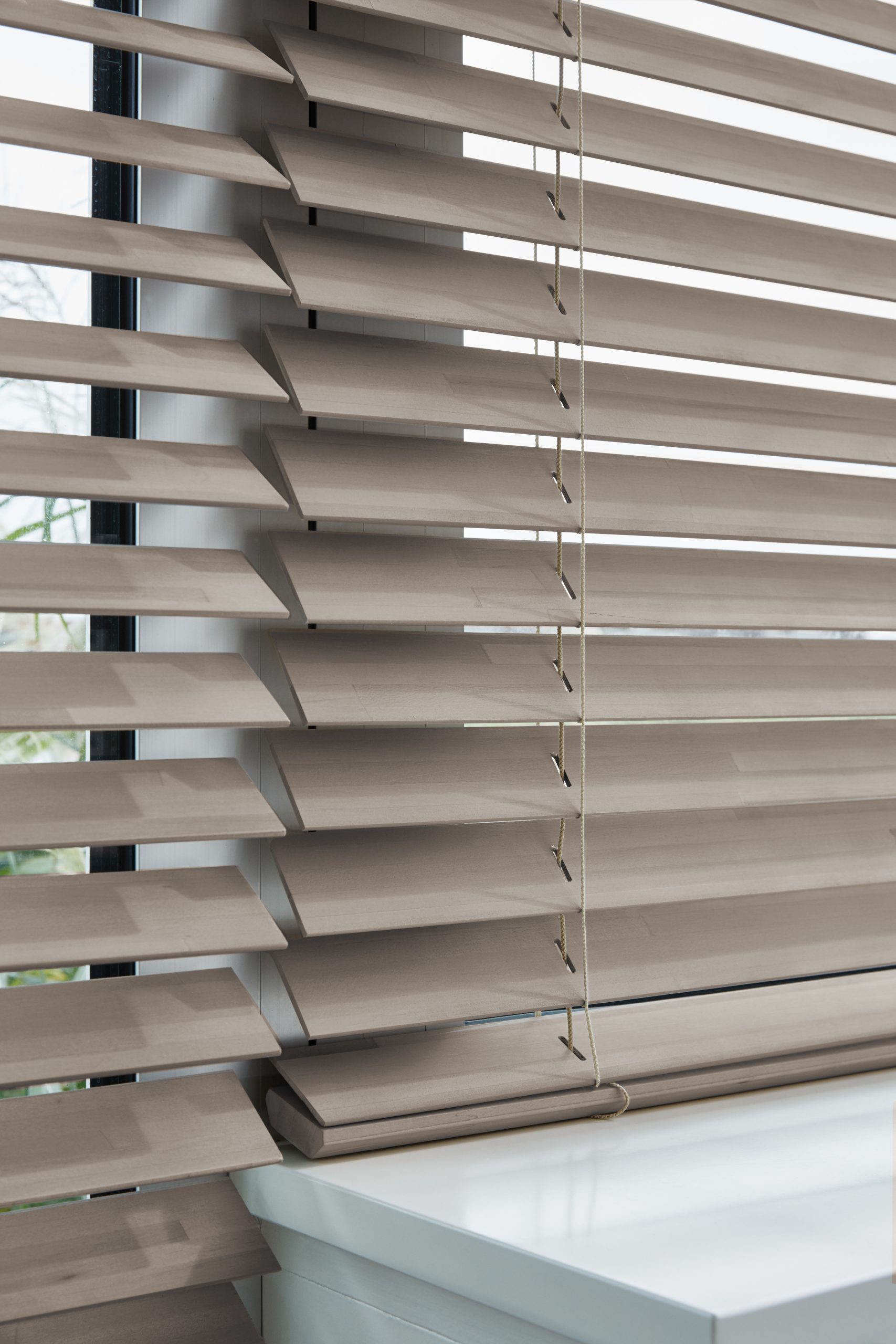
- Tilt Rod Issues: The tension screw mechanism is critical. If the tilt rod (the vertical bar connecting the slats) feels stiff, too loose, or the slats drift out of position on their own, the internal mechanisms are faulty or cheaply made.
- Louvre Overlap: Slats (louvres) should close tightly for maximum privacy and light block. If you see light bleeding through where the slats meet, the tolerances are too wide—a fundamental manufacturing flaw.
External Link Suggestion: To reinforce the value of high-quality materials, link to a detailed, reputable guide on common shutter materials (e.g., MDF vs. Hardwood vs. Faux Wood) from a design or trade source.
Low-Effort Maintenance for Long-Term Value
One of the great joys of owning quality shutters is how little maintenance they require. A simple, consistent routine is all you need.
The Weekly Dusting Routine
- The Closed Slats Wipe: Close the louvres completely (all facing one direction). Use a damp microfiber cloth or a feather duster to quickly wipe down the entire surface.
- The Reversed Wipe: Reverse the direction of the louvres (fully closed the other way) and repeat the wipe. This ensures you cover 100% of the surface area in two quick passes.
Protecting the Structure
- Avoid Harsh Chemicals: Never use abrasive or solvent-based cleaners. A simple wipe with a cloth lightly dampened with water (or mild soapy water for sticky spots) is all that’s required. Harsh chemicals can dissolve the protective finish.
- Lubrication Check: If the hinges creak, use a small amount of non-staining silicone spray lubricant. Do not use oil-based products, as they attract dirt.
- Tension: If the louvres are too loose, locate the small tension screw near the tilt rod mechanism on the side of the panel and give it a quarter-turn clockwise. This should restore the necessary grip.
The Curtain Call Solution: Expert Repair and Replacement
If you are dealing with shutters that were poorly measured or made with inferior materials, you are likely experiencing frustrating issues like difficulty closing, sagging panels, or visible light gaps.
We specialise in assessing and correcting these flaws. If you have had some badly made shutters and would like our company to see how we can help improve them, please get in touch. In some cases, new shutters might be required, but we will always advise on the most cost-effective and durable solution first.